
Precision, safety, and patient comfort are non-negotiable in today’s medical and laboratory settings. The quality of the disposable gloves used during treatments is one important factor that is frequently overlooked but can have a significant impact. A revolution in protective gear, Gammex Non-Latex Sensitive gloves combine cutting-edge material technology with unmatched sensitivity and comfort—all without the dangers of natural rubber latex.
Recognizing the Transition to Non-Latex Gloves
Long praised for their fit and elasticity, latex gloves have become less popular as worries about latex allergies have grown. For sensitive people, including patients and healthcare professionals, even little amounts of latex protein exposure can cause allergic reactions. Gammex Non-Latex Sensitive gloves and other high-performance, non-latex substitutes are in high demand as a result.
Without the possibility of allergies, these gloves provide tactile performance that is on par with or better than latex. This change is about safety, compliance, and inclusivity, not just comfort.
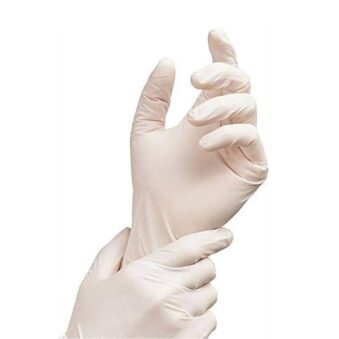
It is impossible to overestimate the significance of wearing appropriate hand protection in dentistry settings. workers frequently come into contact with blood, saliva, and other potentially infectious materials in their line of work. High-quality gloves are said to form a crucial barrier that:
- Prevents the spread of microorganisms between patients and dental personnel
- Lowers the risk of diseases linked to healthcare
- Preserves hands from harsh chemicals used in dental operations.
- Adheres to regulatory criteria set by agencies such as OSHA and the CDC
- Preserves sterility throughout invasive procedures
According to the guidelines, wearing gloves appropriately is an essential part of routine safety procedures at dentist offices and other healthcare facilities.
Examination Gloves
The most popular kind of gloves at dentist offices are these ones. These non-sterile gloves are intended for non-surgical treatments and standard dental exams. Among the essential features are:
- Single-use
- Usually have textured fingertips for improved grip
- Come in ambidextrous shapes to fit either hand
- Available in a variety of materials (nitrile, latex, vinyl)
- Various sizes are available for a good fit.
Gloves for surgery
Dental surgical gloves are made especially for operations when sterility is crucial. There are some significant differences between these gloves and examination gloves:
Sterilized packing
- Longer cuffs for better wrist coverage
- thinner material for increased tactile sensitivity
- hand-specific (left and right) for better fit and dexterity
- and more accurate sizing options
- Put through more stringent quality control examin
Utility Gloves In dental offices
gloves have a distinct function. Since these are used for:
Cleaning equipment, they should be resistant to punctures whether they are reusable or disposable.
Cleaning surfaces:
- managing dangerous chemicals
- working in laboratories
- maintaining equipment
That Are Not Sensitive to Latex
gloves are becoming more and more common, especially as a latex substitute. These artificial gloves provide a number of benefits.
- absence of latex proteins that can trigger allergic reactions
- chemical resistance against a variety of materials and disinfectants
- superior dexterity and sensation
- availability in multiple colors for easy identification
- longer shelf life than latex gloves
Nitrile gloves are perfect for procedures involving sharp objects since they are up to three times more resistant to punctures than latex counterparts, according to studies published in the National Library of Medicine.
Gloves Made of Latex
Because of their exceptional flexibility and comfort, natural rubber latex gloves have long been the industry standard in dentistry. Better flexibility and form-fitting qualities are among the advantages.
- Superior tactile sensitivity
- high comfort level during prolonged use
- biodegradable substance; and generally less expensive than certain alternatives
However, according to research released by the National Institute for Occupational Safety and Health (NIOSH), latex allergies continue to be a major concern, impacting between 8–17% of healthcare professionals and 1%–6% of the general population.
Gloves Made of Vinyl
Another latex-free option is vinyl gloves, though these are usually only worn for quick, low-risk operations. Among its qualities are:
- Cost-effectiveness
- Good protection for brief, non-invasive operations
- Extremely minimal allergy risk
- Less chemical resistance less flexibility and durability than latex or nitrile
Gloves Made of Neoprene
Another synthetic substitute that has many of the advantages of latex without the allergy issues is neoprene:
- Superior chemical resistance
- comparable elasticity and fit to latex
- appropriate for patients and professionals with latex allergy
- more expensive than alternative solutions
- Growing accessibility as technology advances
In glove settings, glove thickness is crucial for striking a balance between protection and dexterity. Disposable gloves are usually 3 to 6 mils thick, with 1 mil equaling 0.001 inch.
Thinner gloves of 3–4 mils are frequently chosen for detailed tasks requiring tactile precision and for routine examinations because they provide increased sensitivity and flexibility. Conversely, thicker gloves—5–6 mils—offer superior durability and resistance to punctures, which makes them a good option for operations involving sharp objects, prolonged use, or increased contact with chemicals and body fluids.
To suit different treatments and practitioner preferences, dental practices may find it beneficial to stock a range of thicknesses.
A number of variables should be taken into consideration while selecting gloves for your practice:
- Allergen Considerations: Many practices are moving toward latex-free settings since a sizable section of the population suffers from latex allergies.
- Procedure Requirements: Various operations call for varying degrees of tactile sensitivity, dexterity, and protection.
- Comfort and Fit: Gloves that fit well promote adherence to glove-changingprocedures and lessen hand fatigue.
- Glove Thickness: Thicker gloves (5–6 mils) offer improved durability and puncture resistance—perfect for procedures involving sharp tools or prolonged wear—while thinner gloves (3–4 mils) give higher tactile sensitivity for precise activities. Choose the thickness according to your work task or personal taste.
- Chemical Compatibility: Make sure your gloves can withstand the chemicals that are frequently used in the dental operations you have in mind.
- Cost-Effectiveness: Although cost shouldn’t be the main consideration, many methods do have financial limitations.
- Environmental Impact: When feasible, some procedures give preference to ecologically favorable or biodegradable solutions.

practitioners should use these recommended practices to increase protection and meet infection control requirements:
Hand hygiene best practices include:
- Always wash your hands well before putting on gloves
- When soap and water are not available, use alcohol-based hand sanitizer
- Make sure your hands are fully dry before putting on gloves
- Wash your hands right away after taking them off.
Glove Changing Procedures:
- Replace contaminated, ripped, or punctured gloves
- Switch gloves between patients
- Avoid touching environmental surfaces while wearing contaminated gloves
- Never wash or reuse disposable gloves
- Replace gloves when doing different operations on the same patient.
Considerations for Double Gloving
Double gloving may offer extra protection for operations requiring sharp objects or a high danger of glove perforation:
- May marginally lessen tactile sensitivity
- Frequently used with different colored gloves to make tears more noticeable
- Lowers the risk of exposure in the event of outer glove rupture.
- Rotating between different glove materials when possible
Allergies to Latex
glove offices face difficulties as latex allergies become more common. Among the solutions are:
Making the switch to totally latex-free workplaces, keeping accurate patient records about latex allergy, offering staff members with sensitivity alternate glove options,Teaching employees how to spot latex allergy symptoms
Dermatitis of the hands
personnel who wear gloves frequently may develop irritating contact dermatitis. Using glove liners for vulnerable people, applying moisturizer after hand washing and at the end of the workday, and choosing gloves without powder to lessen irritation are other preventive measures.
Compliance with Regulatory Standards
Helthcare offices are required to adhere to a number of regulatory requirements concerning the use of gloves:
• OSHA: As part of PPE standards, suitable gloves are required.
As medical products, dental gloves are regulated by the FDA ASTM International sets performance requirements for medical gloves; and the ADA offers recommendations for infection control in dental environments.

glove technology is continually evolving, with a number of new trends emerging:
- Eco-friendly options: biodegradable substitutes for conventional synthetic gloves
- Smart gloves: equipped with sensors that track usage duration or identify breaches
- Antimicrobial gloves: embedded with substances that kill bacteria upon contact
- Enhanced Comfort Features: decreased thickness without sacrificing security
In contemporary dentistry, gloves are an essential part of infection control. professionals can make well-informed decisions that safeguard themselves and their patients by being aware of the different kinds, materials, and best practices related to dental gloves. We can anticipate the emergence of even more comfortable and effective solutions as technology develops, which will further improve safety in dental settings.
Choosing dental gloves carefully can have a big impact on practitioner comfort and safety results, whether you’re starting a new practice or updating your existing PPE procedures. Dental practitioners may guarantee they’re offering the best level of protection while preserving the dexterity and sensitivity required for accurate operations by adhering to the recommendations provided in this article.
Wearing the proper gloves can make all the difference, whether you’re doing complicated surgeries or daily examinations. View our entire selection of exam-grade, latex-free, high-quality gloves for dentists. Find the function, feel, and fit you require.